
.jpg)
The Pulo Sugar Tower: A Legacy of the Sugar Industry in Cabuyao


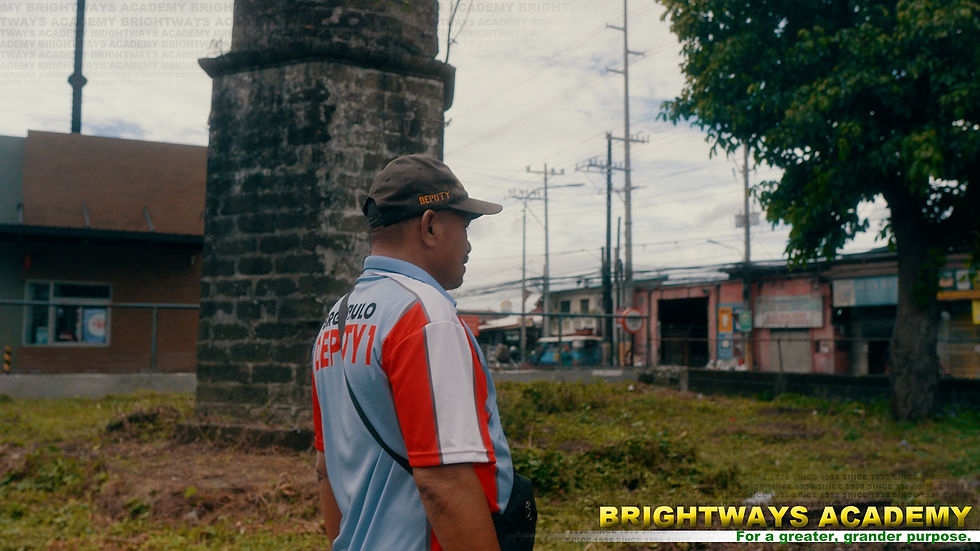
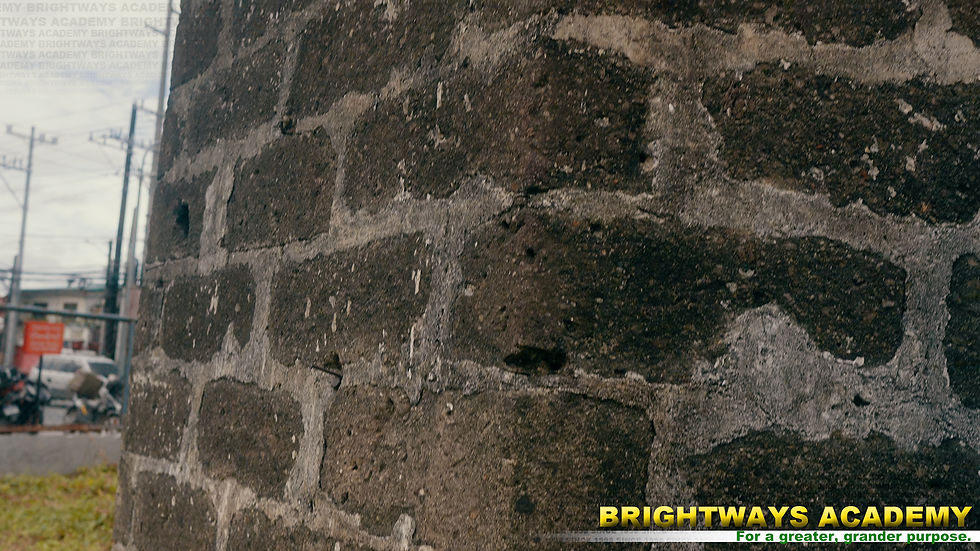
The Cabuyao Sugar Tower, also known as the Pulo Sugar Tower, is a Spanish-era sugar mill tower located in Barangay Pulo, Cabuyao, Laguna. Over the years, it has become the defining landmark and symbol of the barangay. The land on which the tower stands remains privately owned by the Padilla and Cabiles families. Although the original owners have passed away, ownership has continued through their descendants, who currently manage the property while residing in Manila.
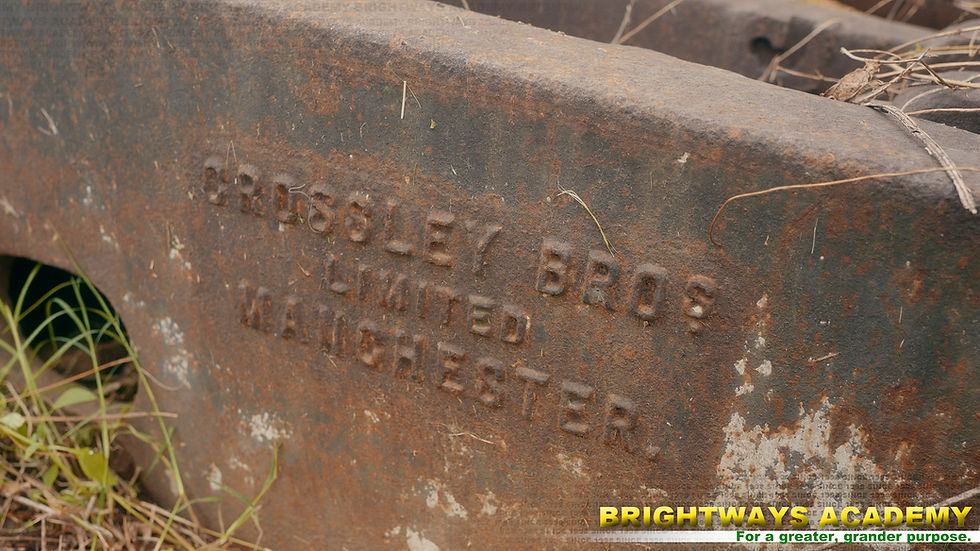
The sugar tower property also contains remnants of its industrial past, including a Crossley Brothers Engine located near the tower. The engine has an engraving indicating that it came from Manchester. However, the machine is now left in ruins and has suffered damage over time.


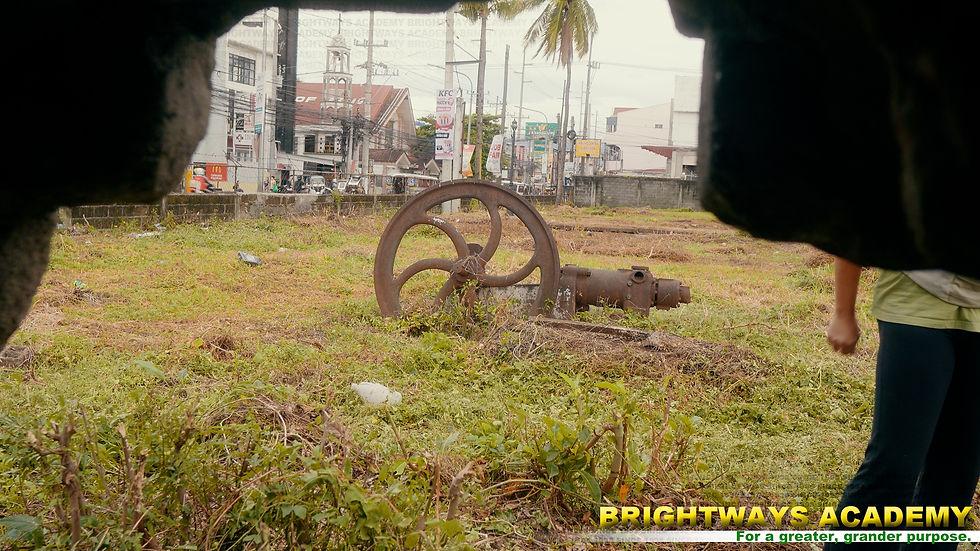
The area surrounding the sugar tower was once covered with extensive sugarcane fields, where several tenant families lived and worked. According to Mr. Emiliano Mandigma, Deputy of Barangay Pulo, the tower was already standing when he entered Grade 1 at the age of six, indicating that it had long been an established landmark in the community. He also recalled having classmates whose families worked on the estate and remembered playing around the property during his childhood. The area was filled with star apple and sampaloc trees, as well as a large acacia tree that has been preserved because of its age.
Inside the sugar tower property, a modern event center has also been built by the Padilla and Cabiles families. According to Mr. Mandigma, he hopes that a barangay facility could someday be developed within the property to serve the community.


During the height of the local sugar industry, a railroad passed through the area to transport harvested sugarcane. The cane was loaded onto train wagons and brought to Canlubang in Calamba City, where it was processed into sugar. When the railroad ceased operations, trucks with removable steel sides replaced the trains in transporting sugarcane. The harvested cane was hauled to Canlubang before being transferred for processing. According to Mr. Mandigma, this transition took place around the 1970s or 1980s. Following the closure of Canlubang's sugar operations, the former sugarcane lands were distributed by the Yulo family to the workers. The Yulo family had operated the sugar industry during that period.

According to Mr. Mandigma, life in Barangay Pulo during those years was much better than it is today. He recalled that sugar was inexpensive at the time, although its price eventually increased like many other commodities. He also observed that the country now faces economic challenges and that disagreements among government officials have contributed to present-day difficulties.


Mr. Mandigma further recalled a traditional farming practice known as *gama*, in which laborers worked in the fields in exchange for one sack of rice. Those who worked hard were assured of receiving a sack of rice, providing families with a dependable source of food. He remembered this practice as a reflection of the agricultural way of life and the strong sense of community that once characterized Barangay Pulo. -
-
-
-
-
CONTACT US
OUR OFFICES ARE OPEN MONDAYS TO SATURDAYS 8:00am TO 5:00pm
GUEVARRA CAMPUS
Asuncion Village, N. Guevarra St., Brgy. Zone 1, Dasmariñas City, 4114 Cavite, CALABARZON Philippines
(Located inside Asuncion Village, Dasma Bayan)
Contact Number (046) 973 2406 / 0916 448 3279
LANGKAAN CAMPUS
GreenBreeze Avenue, Brgy. Langkaan I, Dasmariñas City, 4114 Cavite, CALABARZON, Philippines
Contact Number (046) 230 7326 / 0916 448 3279
(Located near Barangay Hall of Langkaan I)
AMADEO CAMPUS
Crisanto delos Reyes Avenue, Brgy. Banaybanay, Amadeo, 4119 Cavite, CALABARZON, Philippines
Contact Number 0916 448 3279
(Located at Barangay Banaybanay crossing)
VISIT OUR WEBSITE
TIKTOK
YOUTUBE
Enroll now to The Best School in Dasmariñas City and The Best School in Amadeo, Cavite!



Comments